
Creating a film is an art form, and every director has a specific vision for how they want it to appear on screen. The atmosphere, visual style, and emotional tone all come together to convey a story and evoke the intended feelings in each scene.
The Director of Photography (DP) is responsible for ensuring the film’s look aligns with the director’s vision. Working with controlled lighting and high-end, meticulously calibrated monitors often costing more than $30,000, the DP creates what is known as the film’s “creative intent.” This master version looks exactly as the director wants.
Remember that scene in House of the Dragon (Season 1, Episode 7) when Daemon and Rhaenyra are on a beach that appears almost entirely dark? The scene was intentionally graded at 1 nit of brightness, leading to widespread criticism about its extreme darkness. Viewers with uncalibrated TVs in bright environments couldn’t see much at all. However, those watching in a controlled setting on properly calibrated TVs experienced the scene just as the director intended, capturing its moody atmosphere in full detail.

However, once the film leaves that controlled environment, there is no way to guarantee that everyone sees it the same way. The viewing conditions and equipment vary widely. Some movie theaters have excellent lighting and top-notch projectors, especially the larger venues. But the situation often worsens when people watch films at home on a regular TV with a Blu-ray player.
Many TV manufacturers set their displays to extremely vivid modes to show off bright colors, resulting in oversaturated images. This “Vivid” mode can dramatically alter or even ruin the film’s original look: dark, moody scenes may become too bright and overly saturated, while delicate shadow details can be crushed or lost entirely.
In addition, TV manufacturers frequently don’t produce their own panels, relying on other suppliers instead. Quality control can vary, so even TVs of the same model and year might have inconsistencies. As a result, viewers who care about fidelity and cinematic quality can become frustrated.
This is where calibration comes in. For anyone who wants to see a film exactly as the director intended, proper calibration is essential. There’s little point in spending thousands of dollars on a high-end OLED TV only to experience color shifts, crushed shadows, and blown-out highlights.
Calibrating your TV brings it into alignment with industry standards, enabling accurate reproduction of tone and color. You won’t miss any details, and you’ll see films precisely as the director intended, delivering a more satisfying viewing experience.
What to Expect During a Calibration Session
1. Initial Tests
First, we’ll send specific test footage to your TV to assess its current performance. We’ll also discuss any issues you’ve noticed and what you hope to achieve through calibration.
2. TV Configuration
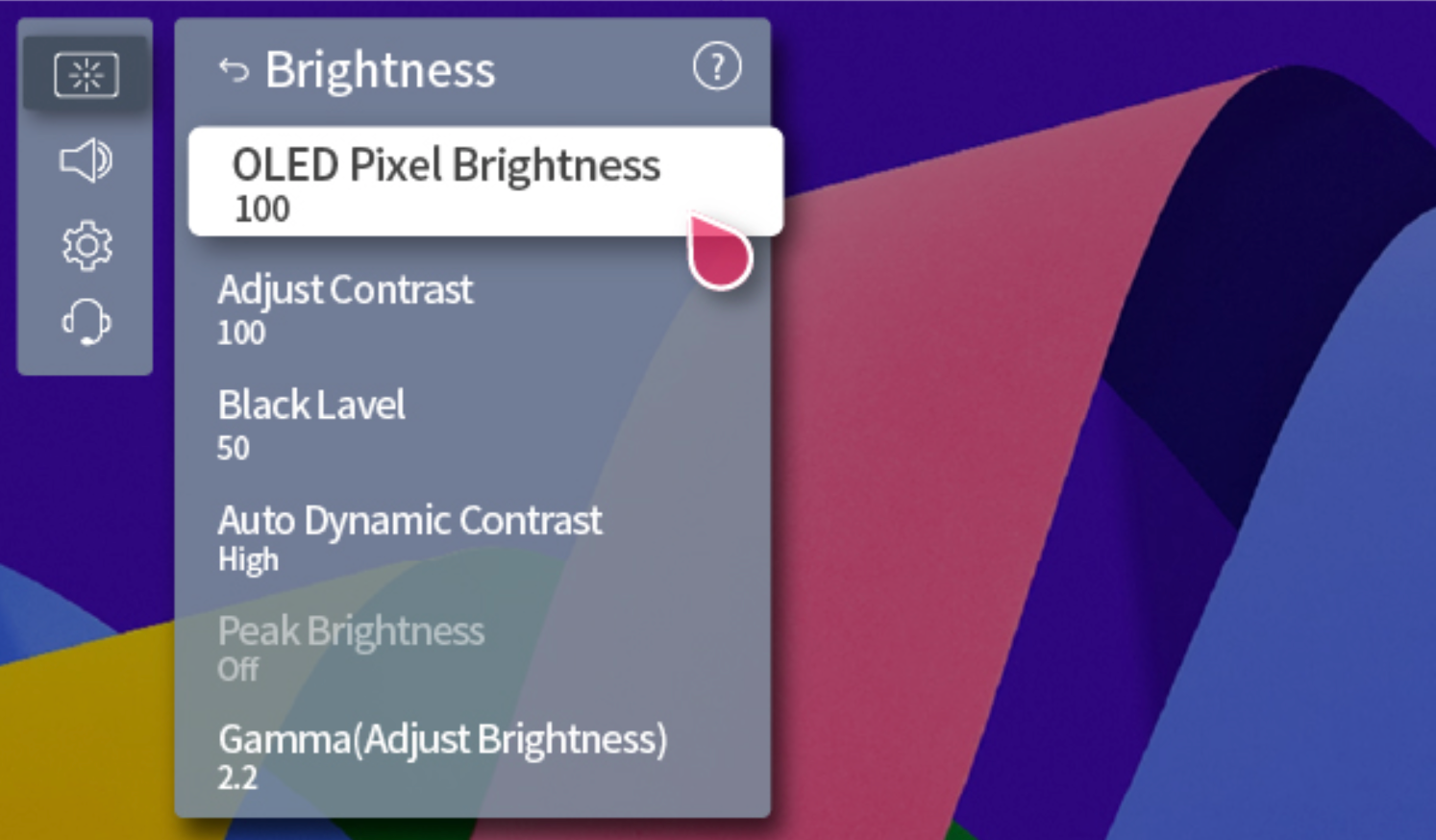
Next, we’ll adjust the TV’s settings in preparation for calibration. This includes disabling power-saving features that can interfere with accurate measurements and setting the optimal brightness and contrast levels to maximize the TV’s dynamic range.
3. Pre-Calibration Capture
Before making any corrections, we measure the TV’s current state. This provides a clear reference point to compare against after calibration, so you can see exactly how much the TV improves.
4. Calibration
Using advanced tools and software, we then correct the TV’s grayscale so there are no unintended color casts in gray tones. After that, we adjust the color data. This can involve adjusting the TV’s internal tables or generating a 3D color map (LUT) if your TV supports it.
5. Evaluation
Finally, we repeat our earlier tests and compare the post-calibration results to the pre-calibration measurements. This step reveals the extent of the improvements made.
Content Modes
Modern TVs often support multiple modes, such as SDR (Standard Dynamic Range), HDR (High Dynamic Range), and Dolby Vision. Each mode uses different internal correction tables, so each one needs its own calibration to ensure consistent, accurate performance regardless of the content you’re watching.
Calibrated Modes
Your TV might also have various picture modes like Filmmaker, Cinema, ISF Bright, ISF Dark, or Vivid. We typically target one of the modes that support calibration. After calibration, whenever you switch your TV to that mode, you’ll get an image that reflects the correct color and tone reproduction.
Some people choose to have more than one mode calibrated, one for a bright room environment (daytime) and another for a darker, controlled lighting environment (nighttime). If you need this, make sure you request multiple modes to get calibrated.
After Calibration
You’ll receive a full report via email detailing your TV’s performance before and after calibration. This summary will highlight the specific corrections made and show how much the picture quality has improved.
Will the calibration persist over time?
- If you adjust core settings (like brightness/contrast) or reset the picture mode, the calibration can become invalid. You’d need to repeat the entire calibration process.
- Firmware updates or major service repairs can also invalidate a calibration. Always check release notes for potential impact on calibration.
How often should you calibrate?
- For critical viewing environments, such as high-end home theaters, once a year is recommended.
- For more casual use, repeating calibration every 1.5 to 2 years is sufficient.
- If your TV is serviced or repaired, you’ll likely need to recalibrate.
By investing in proper calibration, you’ll experience films and shows exactly as they were meant to be seen, maximizing both your viewing enjoyment and your TV’s potential.
How can I be certain about the calibration results?
At DResearch Lab, our calibrators each have over a decade of experience and are ISF-certified. Collectively, we’ve calibrated thousands of TVs from every major brand, some of our experts were even calibrating monitors before ISF certification existed.
We employ cutting-edge, NIST-traceable instruments that set us apart from other calibration services. These allow us to calibrate anything from standard consumer TVs to in-vehicle displays, Hollywood-grade reference monitors, and high-end cinema projectors of any technology or price point.
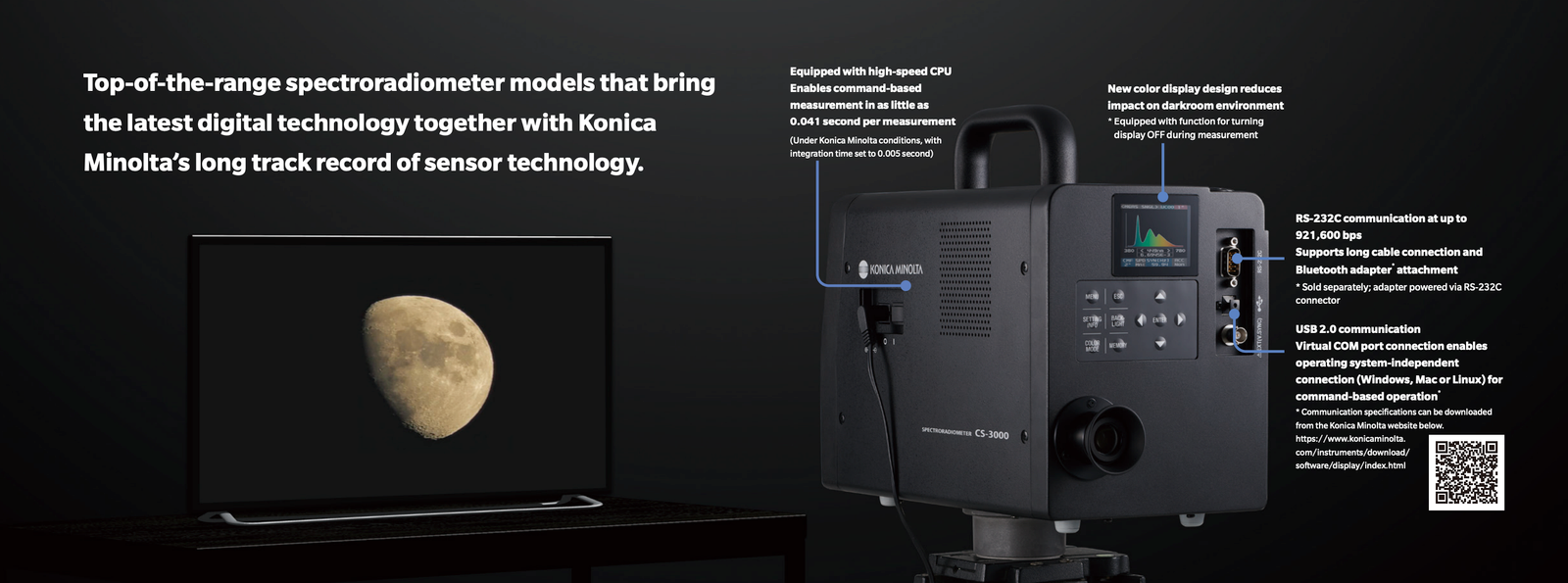
Below are just a few of the tools we use:
- Colorimetry Research CR-100
- Colorimetry Research CR-300
- Klein K-80
- JETI Specbros 2501 UV-NIR
- Konica Minolta CS-3000HDR
- Calman Ultimate
- ColorSpace INF
With this advanced equipment and our extensive expertise, we guarantee precise, reliable calibration results every time.